Car tech keeps getting cooler. But that cool factor might be costing you more than you realize. Some car features meant to boost comfort, convenience, or safety also raise your insurance rates. Not because they’re bad. But because they’re expensive to fix, easy to steal, or considered risky.
If you're wondering why your premium crept up after your last upgrade, your car might be the reason. Let’s explore eight surprising features that insurance companies quietly factor into your rate—whether they tell you or not.
Advanced Driver Assistance Systems (ADAS)
Advanced Driver Assistance Systems (ADAS) are a game-changer in modern vehicles. These include lane departure warnings, adaptive cruise control, blind-spot monitoring, and automatic emergency braking.
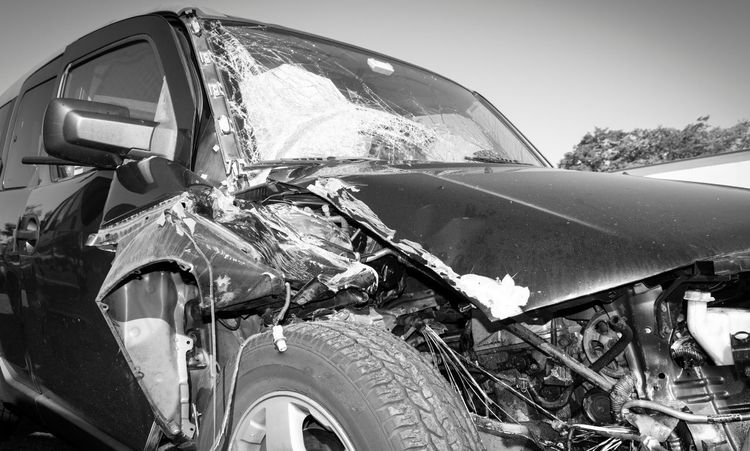
On the surface, they seem like insurance-friendly features. After all, they help prevent accidents. But here’s the twist: repairs are pricey. Cameras and sensors are embedded in bumpers, grilles, or windshields. A minor fender bender could turn into a thousand-dollar repair.
Also, calibration of these systems must be precise. That means repairs often require manufacturer-approved technicians and special tools. All of this drives up claim costs, which in turn bumps your premium.
Insurers weigh the cost of repair just as much as the risk of accidents. That’s why even safety-forward features can backfire when it comes to your wallet.
Panoramic Sunroofs
Big, bold sunroofs are beautiful. They flood the cabin with light and offer a touch of luxury. But this luxury has its price.
Panoramic sunroofs often span the length of the vehicle's roof. This means more glass, more mechanics, and more potential for things to go wrong. If the glass shatters or the motor fails, repairs aren’t cheap.
Even worse, if water leaks in, the interior damage can add up quickly. Mold, soaked electronics, and ruined upholstery create massive headaches for insurance providers.
Some models even require a complete roof replacement if the damage is bad enough. That’s not a small claim. That’s a major payout. Insurance companies know this, and they adjust your rates accordingly.
Keyless Entry and Push-Button Start
Keyless entry sounds like the future. Tap your door handle and walk away. Push a button, and the engine roars to life.
But this convenient tech opens the door—literally—for thieves. Criminals have caught on to how keyless systems work. With the right tools, they can capture your key signal and drive off without breaking a window.
Stolen vehicles mean large insurance claims. Even if your car is recovered, it often returns damaged. The rise in keyless thefts has pushed insurers to reevaluate the risk of these systems.
In urban areas especially, cars with keyless entry can attract higher premiums. You’re paying not just for convenience, but for the rising theft risk that comes with it.
Custom Wheels and Body Kits
Car customization is a passion for many. A set of custom rims or a sleek body kit can completely change a car’s vibe.
But insurers don’t see art—they see cost. Custom wheels, spoilers, side skirts, and ground effects aren’t cheap to replace. If they’re damaged or stolen, repair bills go up fast.
Also, body kits can change a car’s aerodynamics. This can lead to handling differences, which might increase accident risks—especially in wet or icy conditions.
There’s also the theft angle. Custom parts are eye-catching, and that makes them targets. Whether parked in your driveway or on the street, they stand out. And standing out can mean higher insurance rates.
High-Performance Engines
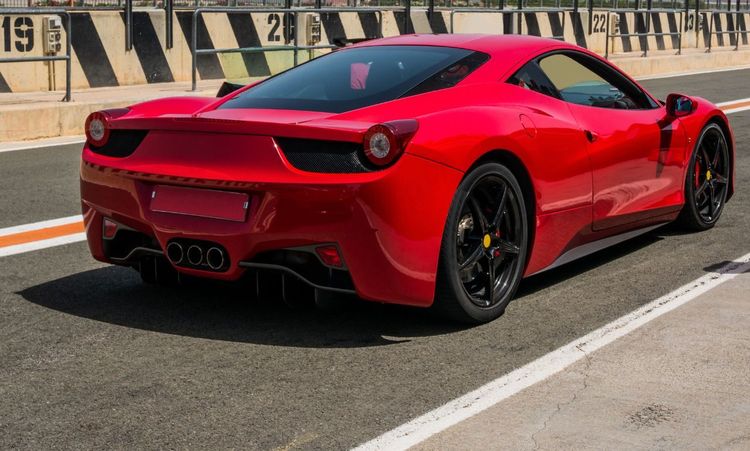
Now for the gearheads. A turbocharged engine, V8 power, or anything built for speed? That might raise a red flag for your insurer.
Performance cars are fun. They accelerate faster, corner harder, and often look aggressive. But they also attract higher risk. Statistically, faster cars are involved in more high-speed accidents. Not necessarily because of the driver—but because of temptation.
Even if you drive safely, your premium may still be higher. That’s because other drivers with similar models might not. Insurance companies look at historical data. If your car type has a higher claim rate, you’re grouped in—even if you’re a careful driver.
And repairs? They’re often more expensive due to specialized engines and components. More power can mean more problems when things go wrong.
Infotainment and Touchscreen Systems
Infotainment systems are now the heart of modern car interiors. Big touchscreens, voice control, and smartphone integration are must-haves for many buyers.
But here's the kicker: they’re expensive to repair. One cracked screen or malfunctioning software update can cost thousands. And they're often tied to climate control, navigation, and even safety systems.
Touchscreens also bring another issue—driver distraction. Despite voice commands and automation, many drivers still tap screens while driving. That split-second distraction increases the likelihood of accidents.
Insurance companies are well aware of this. So even though these systems are high-tech, they don’t always lower your rate. In fact, the repair risk and distraction factor often do the opposite.
Electric Vehicle (EV) Batteries
Electric vehicles are on the rise, and for good reason. They’re quiet, clean, and cutting-edge. But they come with a hidden cost.
The battery is the heart of an EV. And it's not cheap. Replacement batteries can cost as much as a used car. In a collision, even if the battery seems fine, it often has to be inspected or replaced.
Water damage, punctures, or overheating can turn into major repair bills. Some insurers even total EVs with battery damage rather than risk future failure.
Also, not every repair shop can handle EVs. Specialized training, safety gear, and certifications are required. That limits your repair options and increases costs. And where costs go, insurance rates follow.
Personal Story: A Battery Shock
A friend of mine bought a used EV and loved it. Quiet ride, no gas stops, and guilt-free driving. But then came the accident.
A minor rear-end collision damaged the battery casing. The quote to replace the battery? $17,000.
His insurer covered it, but his premium jumped 40% the next year. One repair turned a budget-friendly EV into a high-cost headache. Lesson learned: batteries aren’t just green—they're golden-priced too.
Built-In Navigation and Theft Recovery Systems
Built-in navigation and theft recovery systems seem like no-brainers. Who wouldn’t want GPS and stolen vehicle tracking?
But guess what? These features can increase the cost of repairs. If your screen gets damaged or the system fails, it often requires complete unit replacement.
And because these systems are integrated into the car’s electronics, they can’t always be fixed separately. That drives up labor time and parts cost.
Ironically, theft recovery systems don’t always lower your premium either. While helpful in recovering vehicles, they don’t prevent theft. And once the car is stolen and damaged, the insurer still pays out.
So while these features offer peace of mind, they’re not necessarily a ticket to lower rates.
Conclusion
Cars today are smarter, faster, and more stylish than ever. But those perks don’t come free—especially when it comes to insurance.
The very features that make driving fun, safe, or luxurious can quietly raise your premiums. From advanced sensors to touchscreen tech, insurers weigh risk, repair cost, and claim history.
Before buying or upgrading your vehicle, take a moment to check with your insurer. Ask how those features affect your rate. You might save more by staying simple.
Sometimes, less is more. Especially when it comes to what’s hiding behind your car’s bells and whistles.